June 24, 2026
Tattoos are often created as permanent expressions of identity, capturing specific moments, beliefs, or artistic preferences at a particular juncture in life. However, human beings naturally evolve, and tastes, lifestyles, and personal relationships frequently shift over time. What once felt like a profound statement or a beautiful design might eventually feel out of place or out of sync with individual reality. Fortunately, modern advancements in dermatological care have made it entirely possible to reverse these permanent decisions through sophisticated laser procedures. Individuals seek to clear their skin for various reasons, ranging from employment opportunities to a simple desire for a clean slate. Navigating this transition requires a clear understanding of how the elimination process works, what to expect during treatment sessions, and how to properly care for the skin throughout the journey. By exploring the options available, individuals can make informed decisions about modifying their appearance and reclaiming confidence in their skin.
Understanding the Motivation Behind Clearing Ink
The decision to modify or eliminate body art through tattoo removal is incredibly common, reflecting the fluid nature of human preferences and life circumstances. Many individuals find that the designs they chose during their youth no longer align with their professional aspirations or personal values as they mature. Relationships change, stylistic trends fade, and the quality of the original artwork can degrade over time, leading to a strong desire for a fresh start. This shift in perspective is a widespread phenomenon that affects a significant portion of the population who have participated in body modification. According to SNS Insider, approximately 27% to 36% of people with tattoos experience regret and consider removal within 5 to 8 years of getting inked. This statistic highlights how natural it is for individuals to reevaluate their choices and seek out professional solutions to alter their appearance.
The emotional weight of carrying an unwanted design can be substantial, often impacting self-esteem and clothing choices. People frequently report feeling restricted by their body art, choosing garments specifically to conceal certain areas during job interviews or family gatherings. Opting for tattoo removal offers a sense of liberation, allowing individuals to align their external appearance with their internal growth and current lifestyle. The psychological benefits of fading an unwanted design are often just as significant as the physical changes, providing a renewed sense of control over personal identity. As awareness of safe clinical options grows, more individuals are taking steps to undo past choices and embrace a blank canvas. This journey is not merely about altering the skin but about embracing personal evolution and moving forward without the reminders of a previous life chapter.
Exploring the Technology Behind Fading Ink
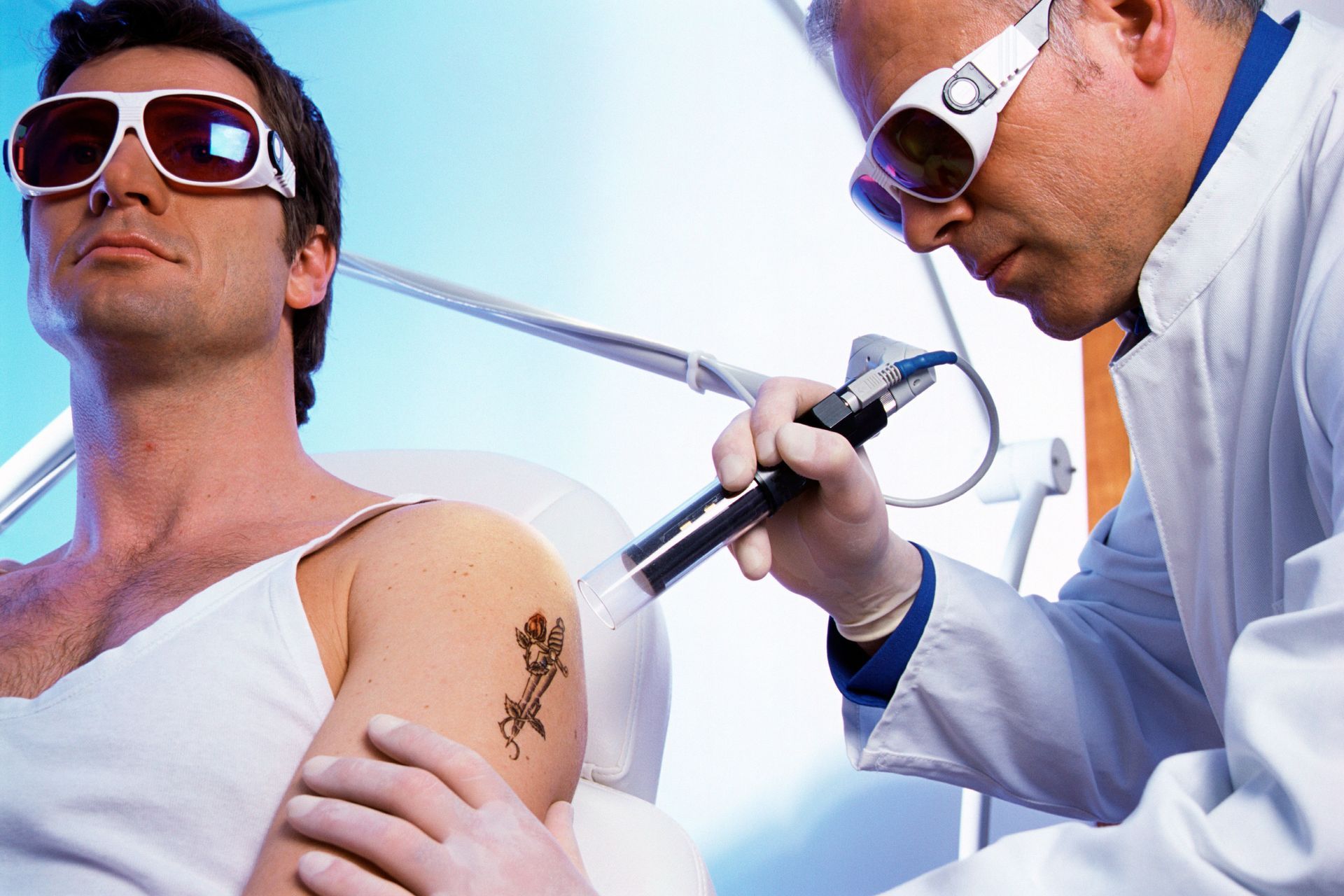
The scientific principles driving modern tattoo removal rely on advanced laser systems that target ink particles embedded deep within the dermis. Traditional methods of wiping away body art were often invasive and carried a high risk of scarring, but contemporary energy-based devices offer a far safer and more effective alternative. These lasers emit ultra-short pulses of light energy that pass harmlessly through the outer layers of the skin and are absorbed specifically by the pigment particles. When the ink absorbs this intense light energy, it shatters into microscopic fragments without damaging the surrounding tissue. Once the pigment is broken down into tiny particles, the natural immune system of the body recognizes them as waste and gradually flushes them out through the lymphatic system over the course of several weeks.
Achieving complete clearance is a gradual process that requires multiple sessions spaced several weeks apart to allow the body to clear the shattered pigment safely. Different ink colors respond to different wavelengths of light, meaning that multi-colored designs often require a sophisticated approach using various laser settings. Darker pigments like black and dark blue are generally the easiest to break down because they absorb all laser wavelengths efficiently, while lighter colors like green, yellow, and red can be more challenging and require specialized wavelengths. Factors such as the age of the design, the depth of the ink, and the overall health of the individual also play a crucial role in determining how quickly the fading process progresses. Understanding the technological mechanics helps individuals maintain realistic expectations and appreciate the patience required to achieve optimal results.
Preparing the Skin Before Treating Ink
Proper preparation is a vital component of a successful tattoo removal journey, ensuring that the skin is in the healthiest possible state to undergo laser therapy. In the weeks leading up to a scheduled session, it is absolutely essential to protect the target area from sun exposure, as tanned or sunburned skin increases the risk of complications like blistering or pigmentation changes. Applying a broad-spectrum sunblock and keeping the area covered when outdoors will safeguard the skin and ensure the laser can target the ink pigment accurately. Additionally, individuals should maintain excellent hydration by drinking plenty of water, which supports overall skin health and enhances the efficiency of the cellular processes responsible for clearing away the shattered ink particles after the treatment.
It is also important to avoid certain medications and topical products that can increase skin sensitivity or affect blood clotting before attending an appointment. Discussing all current medications, supplements, and medical history with a qualified practitioner during an initial consultation ensures that the protocol is tailored to individual needs and safety standards. Smoking should be minimized or paused entirely, as nicotine constricts blood vessels and slows down the healing response, directly impacting how effectively the body can eliminate the broken-down pigment. By taking these preparatory steps seriously, individuals can significantly minimize discomfort, reduce the likelihood of adverse side effects, and set the stage for a smoother and more efficient recovery process.
Managing the Recovery After Fading Ink
The care routine implemented after a tattoo removal session is just as critical as the treatment itself for ensuring beautiful, scar-free results. Immediately following the procedure, the treated area may appear slightly red, swollen, or elevated, resembling a mild sunburn, which is a completely normal response to the laser energy. Practitioners typically apply a soothing ointment and a protective bandage to shield the delicate skin from irritation and environmental contaminants. Keeping the area clean and dry for the initial period is essential, and individuals should resist any urge to scratch, pick, or pop any small blisters that may form as the skin heals. Allowing the skin to recover naturally prevents infection and ensures that the texture remains smooth and undamaged throughout the multi-session process.
Long-term aftercare involves continuing to protect the healing skin from harsh sunlight and avoiding activities that cause excessive sweating or submerge the area in water, such as swimming pools or hot tubs, until fully healed. Gentle moisturizers can be applied once the initial healing phase has passed to keep the skin supple and support the ongoing regenerative processes. Gentle physical activity can actually assist the lymphatic system in processing the fragmented ink, but strenuous exercise that rubs against the treated zone should be avoided. By adhering strictly to the guidance provided by clinical professionals, individuals can ensure that their skin heals beautifully, paving the way for subsequent sessions and bringing them closer to their goal of clear skin.
Embarking on the path toward erasing unwanted body art is a transformative journey that requires patience, advanced technology, and professional guidance. As personal identities and lifestyles change, the desire for tattoo removal reflects a natural progression toward self-improvement and renewed self-confidence. By understanding the underlying science, preparing adequately, and practicing diligent aftercare, individuals can safely and effectively clear their skin of past choices. Entrusting this delicate process to skilled medical professionals ensures the highest standards of safety, care, and efficacy. To explore your options and begin your personalized path toward a clean slate, contact South Texas Family Medicine And Urgent Care today to schedule a comprehensive consultation.